Creating a vibrant landscape in Riverdale requires thoughtful plant selection that considers both aesthetic appeal and environmental conditions. The right plants can transform your yard into a lush sanctuary while enhancing your home’s curb appeal. This task may seem daunting, but with careful planning and understanding of local flora, you can make informed choices that will thrive in your specific environment.
Understanding the Local Climate
Before delving into specific plant selections, it is crucial to understand Riverdale's climate. The area experiences a humid subtropical climate, which means hot summers and mild winters. This influences the types of plants that will flourish in your garden. For instance, drought-tolerant species are essential for the hotter months, while frost-resistant varieties are necessary for winter survival.
Local weather patterns play a significant role in plant growth. Heavy rainfall during certain seasons can lead to soil erosion and root garden landscaping trends rot if water-loving plants are not appropriately placed. It is advisable to familiarize yourself with USDA hardiness zones relevant to Riverdale, as this provides insight into which plants will be most resilient throughout the year.
Soil Considerations
The quality of your soil is another vital factor influencing plant selection. Riverdale typically features a mix of clay and sandy soils, which affects drainage and nutrient availability. Conducting a soil test will give you valuable information about pH levels and nutrient content. Based on this data, you can amend your soil with organic matter like compost or peat moss to improve its structure and fertility.
When selecting plants, consider their preferences regarding soil type and drainage. Some species thrive in well-drained sandy soils, while others prefer heavier clay soils that retain moisture. Matching plants to their ideal soil conditions will enhance their growth and reduce maintenance efforts.
Native vs. Non-Native Plants
Choosing between native and non-native plants is an essential aspect of landscaping design. Native plants have adapted to local conditions over thousands of years, making them more resilient against pests and diseases prevalent in the area. They require less water and maintenance compared to non-native species once established.
In Riverdale, some excellent native options include:
- Black-eyed Susan (Rudbeckia hirta): A cheerful flower that blooms from summer into fall. Butterfly Milkweed (Asclepias tuberosa): Attracts butterflies with its bright orange flowers. Eastern Red Cedar (Juniperus virginiana): A versatile tree offering year-round greenery. Wild Bergamot (Monarda fistulosa): A fragrant herb that attracts pollinators.
On the other hand, non-native species may offer unique colors or forms but often require more care regarding watering and pest management due to their lack of adaptation to local conditions. When incorporating non-natives, ensure they do not become invasive by outcompeting local flora.
Seasonal Planting Strategies
Timing plays a crucial role in successful landscape planting. Planting during appropriate seasons enhances establishment rates and reduces stress on new specimens. In Riverdale, spring is generally the best time for planting perennials, trees, and shrubs as they benefit from warmer temperatures and increased rainfall.
For annuals or seasonal displays, consider fall planting when temperatures are cooler but before frost sets in; this allows roots to establish before winter dormancy begins. Additionally, late winter or early spring can be ideal for planting bulbs like tulips or daffodils that bloom beautifully in early spring.
Types of Plants for Different Areas
Your landscape likely features various areas requiring different plant types based on sunlight exposure, moisture levels, and intended usage—such as shaded spots versus sunny borders or wet areas versus dry zones.
Sun-Drenched Areas: For sunny spots where heat is abundant throughout the day, consider perennials like coneflowers or daylilies known for their resilience against sun exposure.
Shady Nooks: In areas receiving dappled light or full shade from trees or structures, hostas or ferns thrive exceptionally well while bringing texture to your garden.
Moist Zones: If you have low-lying areas prone to standing water after rains, look at wetland species such as cattails or astilbes which love moisture.
Dry Spaces: For arid regions near pavement or under eaves where little rain reaches the ground, drought-tolerant succulents like sedum can add color without constant maintenance needs.
Accent Plants: Ornamental grasses can serve as focal points throughout all zones while providing movement with gentle breezes—a beautiful addition regardless of location.
Designing Flower Beds
Creating visually appealing flower beds involves strategic planning around color palettes and blooming times for continuous visual interest throughout the growing season. Start by selecting an array of flowering plants with staggered bloom times so something is always flowering from early spring through late fall.
Consider using taller perennials at the back of beds with shorter varieties at the front—this layering creates depth while ensuring all plants receive adequate sunlight without obstructing one another's growth potential.
Incorporating evergreens offers year-round structure even when flowering species die back during winter months; this promotes an inviting atmosphere regardless of seasonality changes outside our control.
Maintenance Considerations
While choosing plants that suit Riverdale’s climate is fundamental for success initially establishing your landscape design; ongoing maintenance cannot be overlooked either! Regular watering—especially during dry spells—is crucial until newly planted species establish themselves within their respective environments effectively.
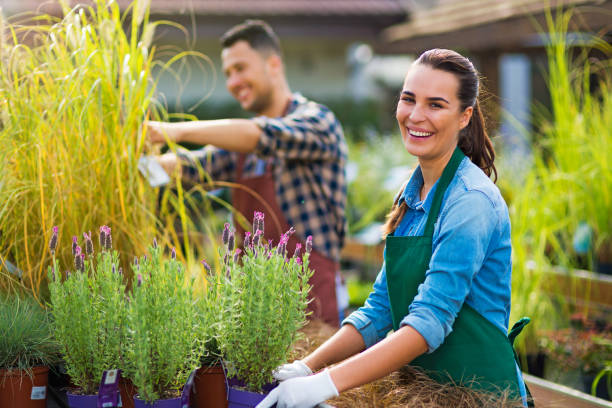
Mulching around these bases helps retain moisture while suppressing weeds competing for nutrients necessary toward thriving development—essentially promoting healthy growth habits long-term without excessive labor involved post-installation!
Regular pruning also ensures bushier outdoor planting forms where desired rather than leggy appearances resulting from unregulated growth patterns occurring naturally over time! Lastly—monitoring pests throughout all stages remains imperative too since challenges arise unexpectedly!
Professional Planting Services
Engaging professional planting services can take much guesswork out of creating an attractive landscape tailored specifically towards individual preferences combined seamlessly with nature’s existing offerings surrounding each property uniquely! Experienced landscapers understand how various components interact synergistically developing vibrant gardens capable both aesthetically pleasing whilst being sustainable over time!
From garden installation expertise knowing precisely what works best given available resources down through flower bed installation details ensuring optimal placements yield maximum impact—these professionals assist greatly refining visions into tangible realities worth admiring by all passersby alike!
Bringing It All Together
Selecting the best plant combinations requires balancing personal preferences alongside ecological considerations specific towards Riverdale’s unique environment! By prioritizing native selections whenever possible alongside smart seasonal strategies plus thoughtful designs—you’ll cultivate not only beauty but harmony within landscapes shared between human inhabitants plus Mother Nature herself!
With proper research paired alongside expert guidance when needed - residents here possess every tool necessary fostering outdoor spaces flourishing vibrantly benefitting families friends alike enjoying everything life outdoors presents them daily!